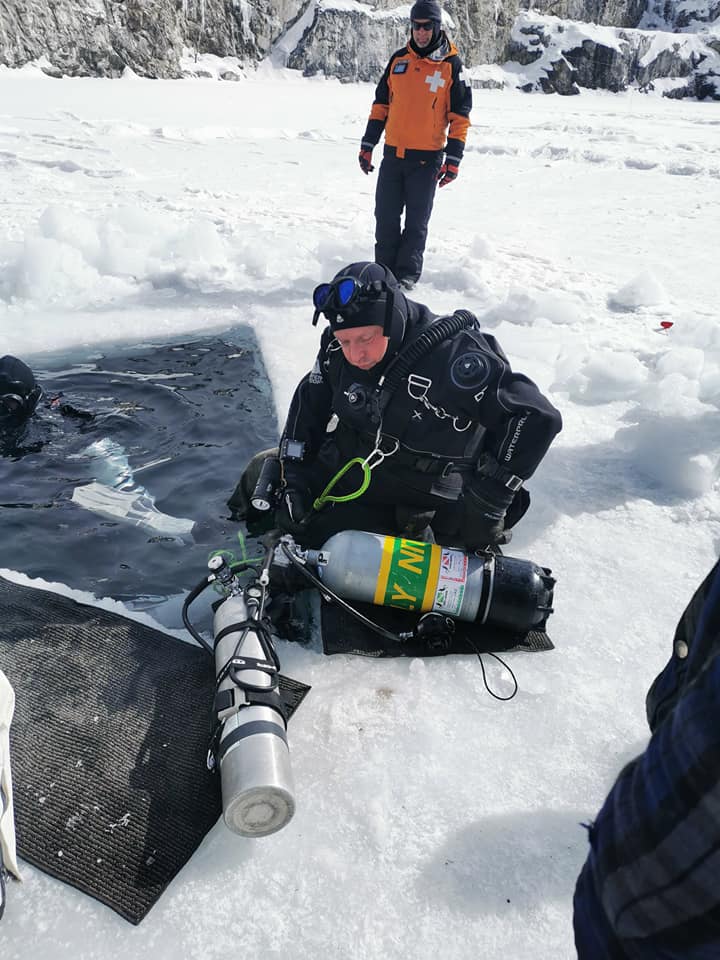
If you need something lost or recovered from the underwater environment, highly trained search and recovery scuba diving offers a solution built on precision, patience, and expertise. Beneath the surface, lost property, critical evidence, sunken vehicles, or submerged wreckage can remain out of reach indefinitely. Our specialized divers slow down the process, follow strict search grids, and apply advanced problem-solving skills to navigate nature’s most demanding conditions.
Whether you are a private individual, an insurance adjuster, a law enforcement agency, or a marina operator, our public safety and recovery specialists operate with methodical control at every depth. Calm, low-visibility searches require careful touch-based navigation, while deep or current-heavy recoveries demand technical rigging and advanced physical conditioning. We work in dark water, cold temperatures, and challenging environments—with every dive carefully planned for both success and safety.
Every recovery mission presents unique variables. Our team uses lifting bags for controlled buoyancy on heavy objects, line systems for accuracy in zero visibility, and fine propulsion techniques over soft silt or mud to avoid destroying your search grid. A highly trained search and recovery diver reads the underwater environment like a forensic investigator—understanding where your item may have settled, how it may have shifted, and how currents, entanglements, and bottom composition affect retrieval. That knowledge determines the speed, safety, and success of your recovery. When you need something found and brought back, you need the right training, the right tools, and the right team.
““Recovery begins not with the lift bag or the line, but with the courage to enter the unknown bottom, trusting your training more than your eyes.”.”
Planning a Safe Search and Recovery Dive: Gear and Preparation
Proper planning is the difference between a successful recovery and a dangerous mission. Before any search and recovery dive, begin with a detailed risk assessment. Identify water conditions, including depth, temperature, current strength, visibility, and potential hazards such as boat traffic, entanglement risks, or contaminated water. Establish clear objectives: what are you searching for, how large is it, what material is it made of, and at what approximate depth or location was it last seen?
Essential Gear for Search and Recovery
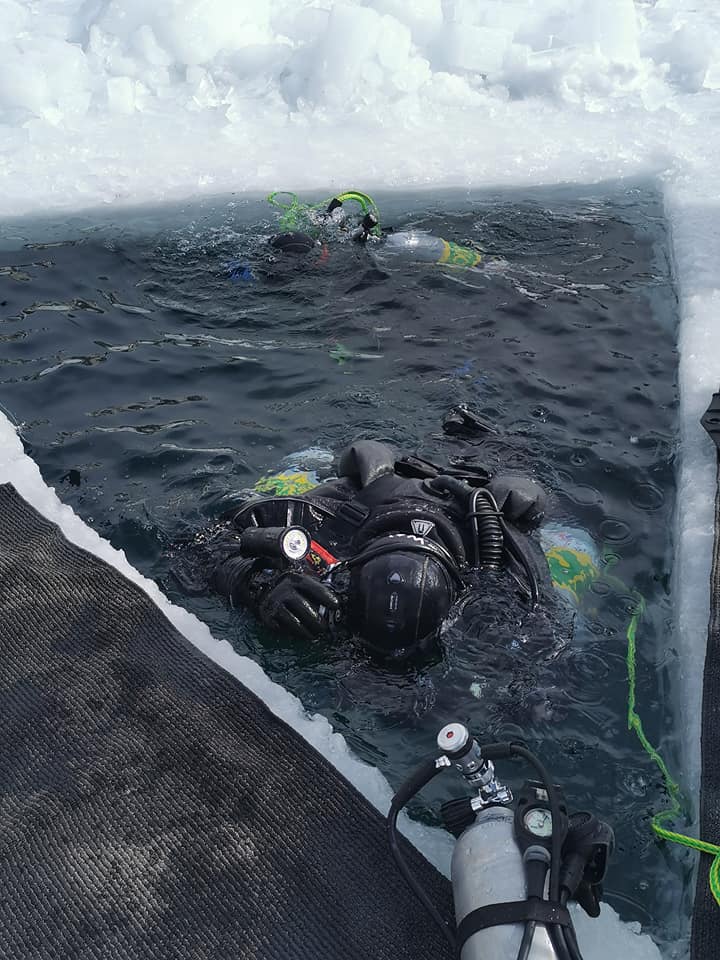
Your gear must go beyond basic scuba equipment. A primary and backup dive light is mandatory for low-visibility or night operations. A compass and underwater slate allow precise grid navigation and note-taking. For the search itself, carry a search line or reel with a weighted end, plus lift bags or a dry lift system rated for the weight of the target object. Cutting tools (line cutters and shears) are non-negotiable in case of entanglement. A dive knife and an emergency surface marker buoy (SMB) complete the safety set. All gear should be regularly inspected, serviced, and tested in controlled conditions before the actual mission.
Dive Planning Protocols
Plan the dive as a team. Assign roles: search diver, line tender, surface support, and safety diver if available. Establish hand signals and communication procedures for zero-visibility conditions. Create a search pattern based on the environment—jackstay for wide areas, circular for small targets, or grid for methodical coverage. Determine maximum bottom time and decompression limits using dive tables or a computer, and build in a generous safety margin. Plan for a lost diver or an emergency ascent scenario.
During the Dive
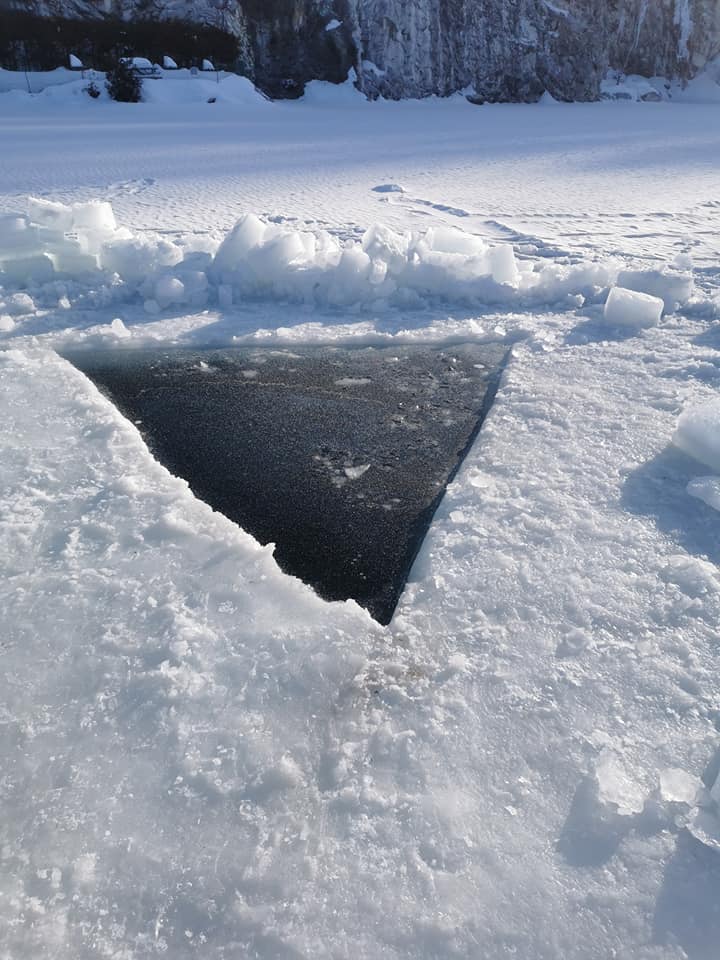
Descend together on a mooring or reference line. Maintain constant buddy contact. If visibility drops, switch to touch-based navigation along your search line. Move slowly and control buoyancy meticulously—kicking up silt can zero out visibility for the entire team. When a target is located, assess it before touching: is it stable, sharp, hazardous, or entangled? Attach a lift bag only after ensuring the object can be safely surfaced, and never ride a lift bag upward. Ascend slowly, with proper safety stops, and maintain communication with surface support throughout.
After the Recovery
Secure the recovered item. Debrief the team on what worked and what did not. Inspect and clean all gear, especially reels, cutting tools, and lift bags. Document the recovery for training and legal purposes. Every search and recovery dive is a learning experience that makes the next mission safer and more effective.
When you plan with respect for the environment, the right tools for the job, and a conservative approach to risk, search and recovery diving becomes not only successful but survivable.