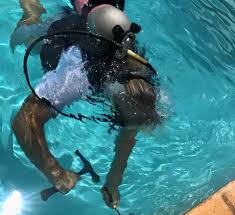
Pool repairs using scuba diving offer a unique way to restore underwater structures from a completely different perspective. Beneath the surface, cracked plaster, loose tiles, leaking drains, and damaged lights wait to be identified and fixed without draining a single gallon of water. These highly specialized techniques allow certified divers to slow down, work methodically, and repair pool surfaces in their purest, most efficient form.
Both residential pool owners and commercial facility managers can benefit from underwater pool repairs at their own pace. Small vinyl liner patches or tile re-adhesions are perfect for quick, affordable fixes, while deeper structural crack injections or drain cover replacements provide a sense of security and long-term durability. Clear water, stable temperatures, and carefully planned dive procedures make every repair comfortable and effective.
Every type of pool surface has a distinct repair method when working underwater. Plaster offers a classic finish but requires hydraulic cement or underwater epoxy patching applied by hand. Fiberglass brings flexibility, though gel coat cracks need specialized underwater fillers and cure accelerators. Vinyl liners provide affordability, but seam separations or punctures demand underwater adhesives and patch rollers that only trained scuba technicians use correctly. A skilled pool repair diver reads the surface much like a surgeon reads tissue, understanding where water pressure is forcing leaks, where structural weakness is hidden, and how chlorine, temperature, and pool use affect each underwater repair. This knowledge determines the durability, watertight seal, and long-term beauty of the final result..
““No pool technician can truly restore a leaking drain or cracked plaster unless they have the courage to put on scuba gear and repair it underwater — without ever lowering the water level.”.”